By Annie Carlson
In our modern world, we use the name ‘Neanderthal’ as an insult. When you think of a neanderthal, you think of tiny brains, big muscles, back hair, and dragging knuckles.
But a cave in Iraq tells a different story. A story of love and caring; of grief and compassion.
Neanderthals were a group of early humans who lived in Europe and Asia 400,000 years ago. They met the early members of our species, Homo sapiens, and even had children together. Today, all non-African people still have around 2% Neanderthal DNA.
Archaeologists have been able to learn a lot about these ancient people. They left tools, art, and their bones for us to find, giving scientists a gateway into their world. The fact that we learned so much about them so long ago also led to the idea that they were stupid cavemen; when you’re a racist eugenicist in 1894, it’s really easy to point to the dead guy and tell everyone that he’s dumber than you and you know it because of phrenology the fact that he went extinct before you did.
Because we know so much about these people, it’s easy for us Homo sapiens to point and call them stupid cavemen because we think we’re so smart. But really, we’re incredibly similar.
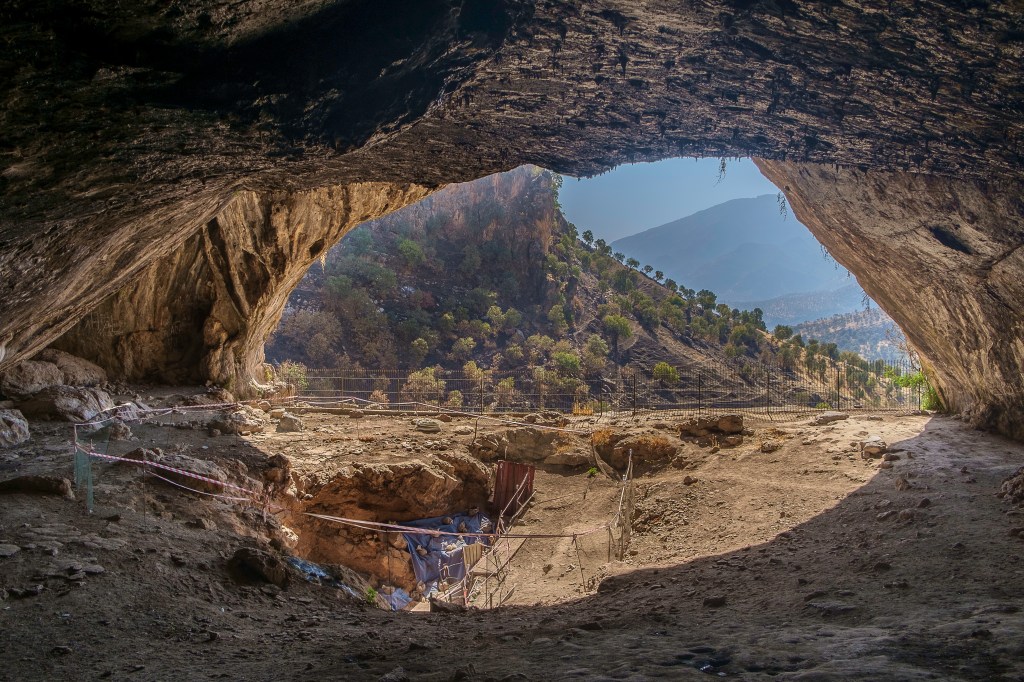
In 1953, a set of Neanderthal fossils were discovered by Professor Ralph Solecki in Iraqi Kurdistan. They all date to some time around 75,000 years ago, and range in age and placement in the large cave. The Shanidar Cave fossils have since become very important to the study of our ancient relatives.
While it may seem strange to be so interested in skulls and skeletons found in a cave, it’s the way we connect to many animals and plants that have gone extinct – dinosaurs are one great example. It’s our window into how these creatures lived; into truly understanding them.
These Neanderthals told us a lot of incredible things about how archaic humans lived. They were short and strong, left behind tools and evidence of fire, and most of them had lived long, full lives. They had also been laid to rest all in one cave, which may have been a burial site – though scientists still aren’t sure about this idea.

One thing that we do know is that the people in Shanidar cave had hard lives. One of them, nicknamed Nandy, had a head injury when he was young. It left him weakened and possibly blind; which would have been a death sentence in the harsh world of the time. He also had multiple other injuries, including a missing arm. But the miraculous thing? His injuries had healed. In fact, he was probably around 40 years old when he died – which is a long life, for a Neanderthal. He could not have survived on his own, which means that the people around him cared enough to set his broken bones, help him heal from losing his arm, make him food, and travel with him. They saw him as a person, and took care of him because he was one of them.
But Nandy isn’t the only one who had a community to care for him. Another individual from the cave, known as Shanidar 3, also seems to have been supported by his friends. He had arthritis and was nearing his 50s, which means he likely also had help surviving, even when he could not contribute. He probably died from a wound to his chest, but it had healed partially, which could show that his community tried to help him heal and live beyond this injury.
At a different site, a cave in eastern Spain, a neanderthal child with an ear malformation is thought to have lived to 6 years old. The child’s hearing and balance would have been badly affected, making their survival extremely difficult. This, while sad, does show that many Neanderthals came together to raise this child, because the mother of the child would have needed a huge amount of support. In Shanidar Cave, a child was found among other fossils with a very similar pathology. Although we don’t know if they needed as much care as the child found in Spain, they were likely also cared for by the same people who laid them to rest.
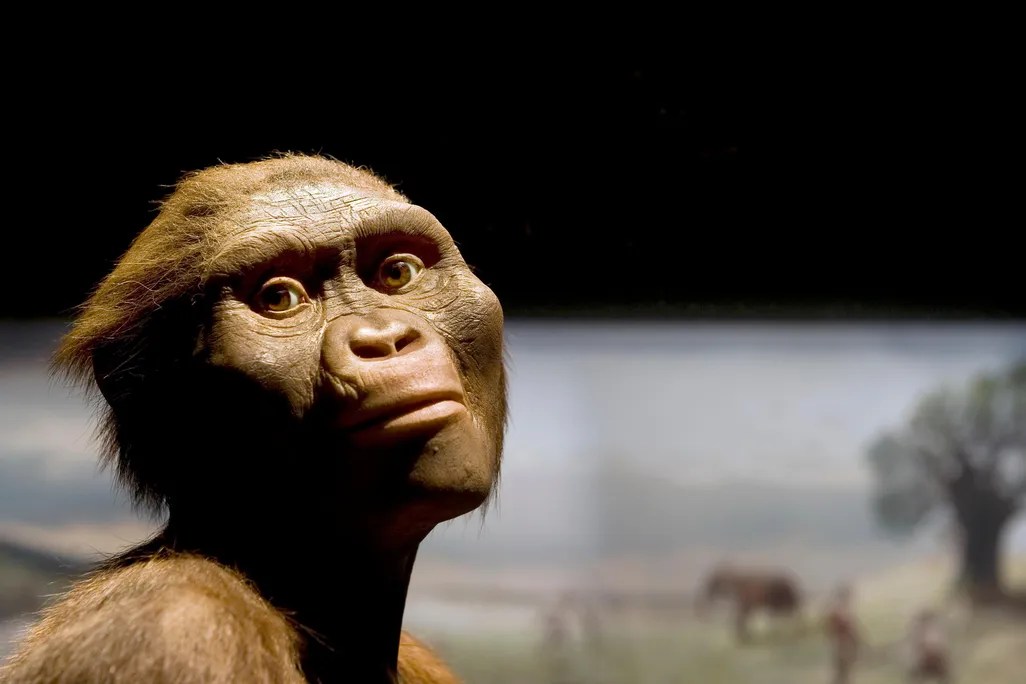
Then comes the question of the Neanderthals’ reason for leaving their people in Shanidar Cave. When these fossils were first found, Ralph Solecki thought that they were probably buried together on purpose. Ancient pollen was also found around them, leading Solecki to believe that their fellow Neanderthals had placed flowers on their graves. While we still don’t know for sure what the meaning of their position is, it certainly could point to Neanderthals’ being more thoughtful and caring than we usually assume. More recently, another individual was found, laying peacefully with her hands folded, like she was sleeping. It also seems like she might have been given a ‘pillow’ – a rock that was placed near her head. Shanidar Z has become an icon of archaic anthropology, alongside Lucy the Australopithecus.

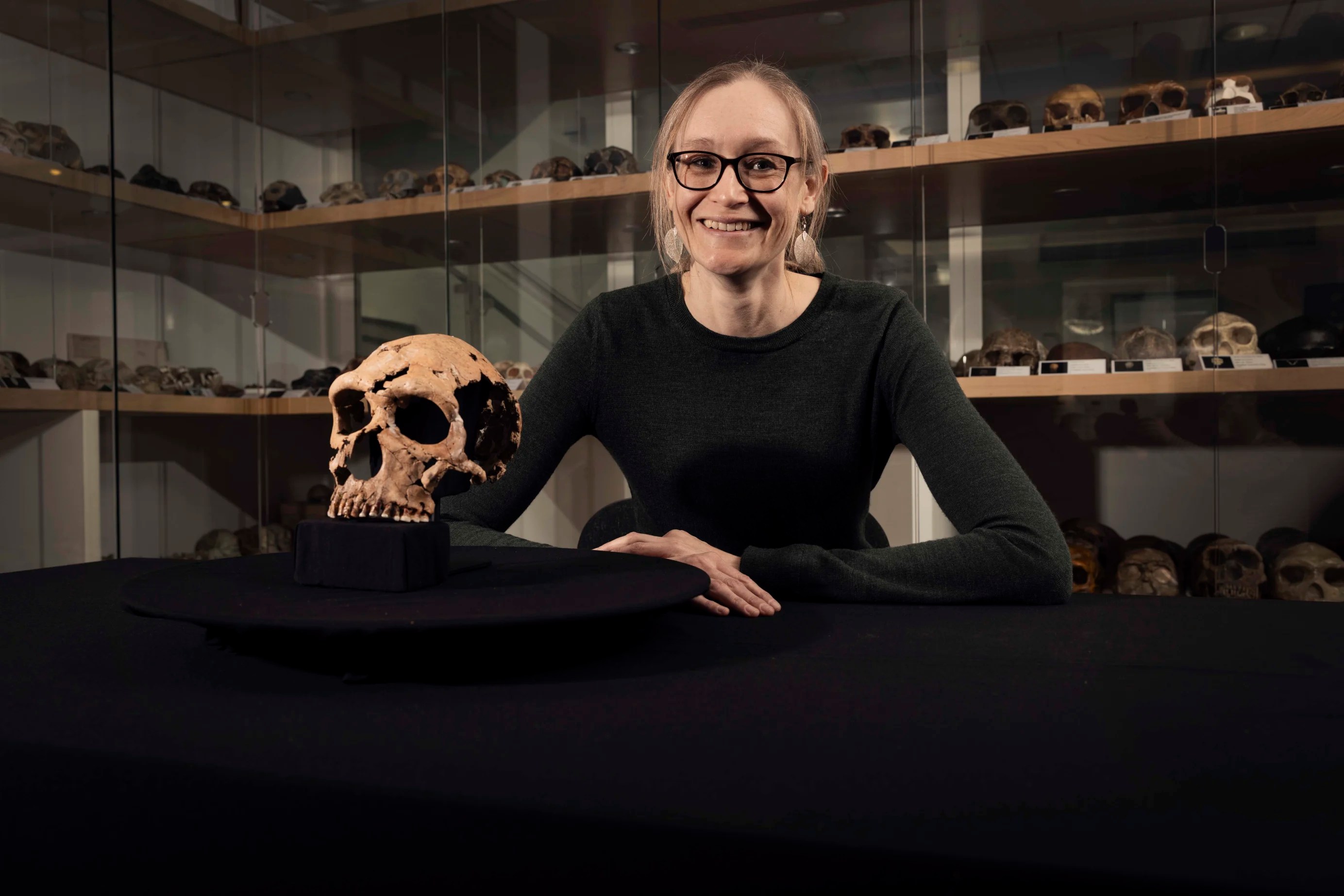
As science progresses and we learn more about our ancient relatives, we will be able to answer the questions that we still have about this site. But what can we learn from them today?
- Bones can tell us a lot. Scientists learned a huge amount of information from the remains of people that passed away tens of thousands of years ago. If you’re interested in how, visit the Smithsonian’s Human Origins Project website and explore the Evidence tab: https://humanorigins.si.edu/evidence
- ‘Neanderthal’ isn’t an insult. These ancient people have shown us, through the traces they left behind, how love and caring can leave a mark that might last thousands of years. The more we learn about them, the more we understand how thoughtful and compassionate they were, even through death and grief.
- Understanding our past – and the pasts of others like us – can lead to better understanding of our present. These people in the cave show us some things that are vital to the idea of ‘humanity.’ Humans – even humans that we shun and make fun of – are incredibly kind. The compassion, appreciation, and care for others seen in these Neanderthals is something that also defines Homo sapiens. We should all take a step back every once in a while and remember that we’re all in this together; that other people need our support, and we need theirs; that even though life is complicated and hard, we have always helped each other make it through.
 The Talon
Leave a comment